Speak to My Grandma, I’m Not Listening
In a world where I can’t catch my breath without being targeted by an ad, life can get exhausting. Don’t get me wrong, I am honored that your brands want my data and give me so much attention, but it’s a lot. It would be nice not to be the bullseye that everyone is aiming for, but never quite hits. Living off a borrowed social battery, I ask that you stop talking to me all the time. Instead, let me challenge and offer you a solution: speak to my grandma. My grandma is a social butterfly and is on more WhatsApp groups than I am. So I ask you, kindly take your energy and find innovative ways to make her life better. At the age of 26, working at a social-first ad agency, I’ve been both the target of many ads and created ads to target others alike. In this industry, there is a surplus of ads that serve only to spam my generation. Brands think that they’ve cracked the code by targeting Gen-Z, but when everyone is speaking to the same person, they miss out on better conversations. We all know that Gen-Z collectively operate on two brain cells, so we’re really just not that interesting. Unfortunately, I’ve worked with clients who had an existing loyal consumer base. They decided to disregard them and target my generation instead. This is evident when we look at data pointing out that Boomers only make up 1% of brands’ target audience in KSA. And so I beg you, draw your attention and problem-solving skills to those who need it more. I wonder how much it can help the older generation if we focus a bit more on them. We should be looking at their consumer habits, lifestyles, struggles, and needs. By doing that, brands can create problem-solving solutions that will reach the right target audience, and reduce ad-fatigue in the younger generations. Forbes rightfully labeled Boomers as both the generation that is most overlooked, and with the most spending power. But it’s a shame they’re not on TikTok… Actually, they are.
It’s a well-known fact that Gen-Z holds a lot of power to change: trends, culture, language, politics, consumer purchasing habits, and pretty much anything at this point. It therefore makes perfect sense for all brands to want to target us, but I’m a little biased. On the other hand, a question always comes to mind: Whatever happened to Boomers? For those that aren’t familiar, “Boomers” is a term used to describe the Baby Boomers generation, those that were born after World War II. This term has now been used to describe someone who is either older, not “woke”, struggles with technology, or all of the above. While millennials are going through their existential crises and Gen-X grinding at work, nobody knows what Boomers are up to.
Due to the recent Gen-Z obsession, brands have been changing their social media presence to make it trendier and diluting their branding tone, all in hopes that Gen-Z will adopt them and carry the flame. Though clever, and there’s nothing I love seeing more than brands nailing it on my FYP, it is foolish and short-sighted. It seems like they’ve forgotten that boomers hold 50% of purchasing power, though they only account for 20% of the total population. They’ve created a minimalistic one-size-fits-all approach. They’ve abandoned their loyal demographic, overlooking the fact that my grandma is an avid Whatsapp group and Facebook user who loves good morning GIFs. When a whopping 82.3% of boomers are on a social media platform, it’s a downright missed opportunity. Why are brands choosing to forget a demographic, even when it clearly fits them? Why is traditional advertising being overlooked? Why are brands becoming trendy for the sake of being trendy? And why isn’t my grandma working in an advertising agency? “I never asked for all this attention” -sincerely an exhausted Gen-Z. I don’t want to come off as overprivileged, but it’s really not about me; it’s actually about bananas.
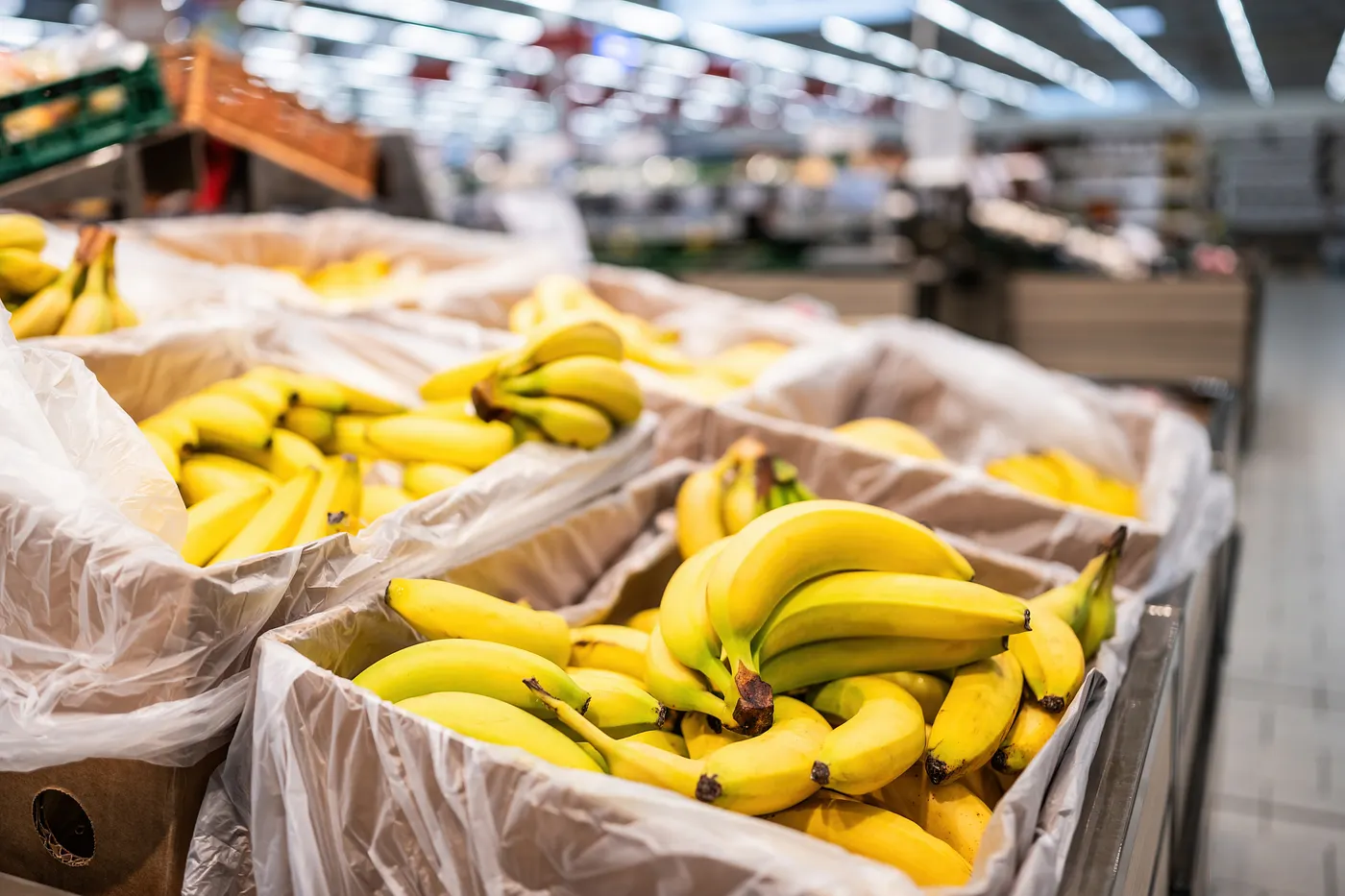
You see, the bananas I had for breakfast aren’t the same bananas my grandparents had for theirs. Yes, you read that right. Your average Boomer and Gen-Zer haven’t had the same banana-eating experience. The bananas our grandparents had were more flavourful and larger, they were called Gros Michel. Unfortunately, the Gros Michel got wiped out by the Panama virus. All we’re left with now is a resistant clone that’s just mid, but I digress. You see, I a 26-year-old, order the bananas I add to my breakfast yogurt bowl online as I’m sending memes to my friends. In contrast, my grandma will leave her house, greet the people in the street along her way to the supermarket, and hand-pick the bananas herself. We’re both buying bananas, but our memories and perceptions of bananas, our language, our consumer journey, and our banana-eating habits are very different.
Social media is dynamic and constantly changes, that’s a fact. You now know more about bananas and my grandma than you did yesterday, that’s another fact. But here’s the thing: I can quickly adapt to new platforms because it’s like a third language to me, whereas it’s not to the older generation. It took them a while to get used to their phones, WhatsApp, and Facebook. Therefore, this is where a lot of their social media presence is now, and that is okay! Baby Boomers spend an average of 5:30 hours online a day. Best of all, many of them are sitting on platforms that we’ve abandoned. They’re sitting on platforms we know how to work with and can create tailor-made content perfectly well. It’s okay to evolve, change, and seek growth as a brand. It’s also okay for people to not be able to adapt to newer platforms; it can be challenging and overwhelming. What’s not okay is to leave them behind. It’s not okay to not seek innovative and life-changing experiences for them because they’re not on TikTok, oh wait they are. It’s also not okay to spam a generation into ad fatigue. Lastly, when brands say that they’ve tried to target the older generation and failed, I wonder if they failed because they were doing it wrong. I wonder if they were speaking a language that is foreign to Boomers, and if they only came as an afterthought. If only we put in half the effort to appeal to Boomers as we do to Gen-Z. While it’s great that brands are thinking of the future and attracting new audiences to stay relevant, they should also dedicate time to developing tailor-made strategies for retaining and expanding their loyal, older audience within the community. I promise you, my grandma would love to talk to you.